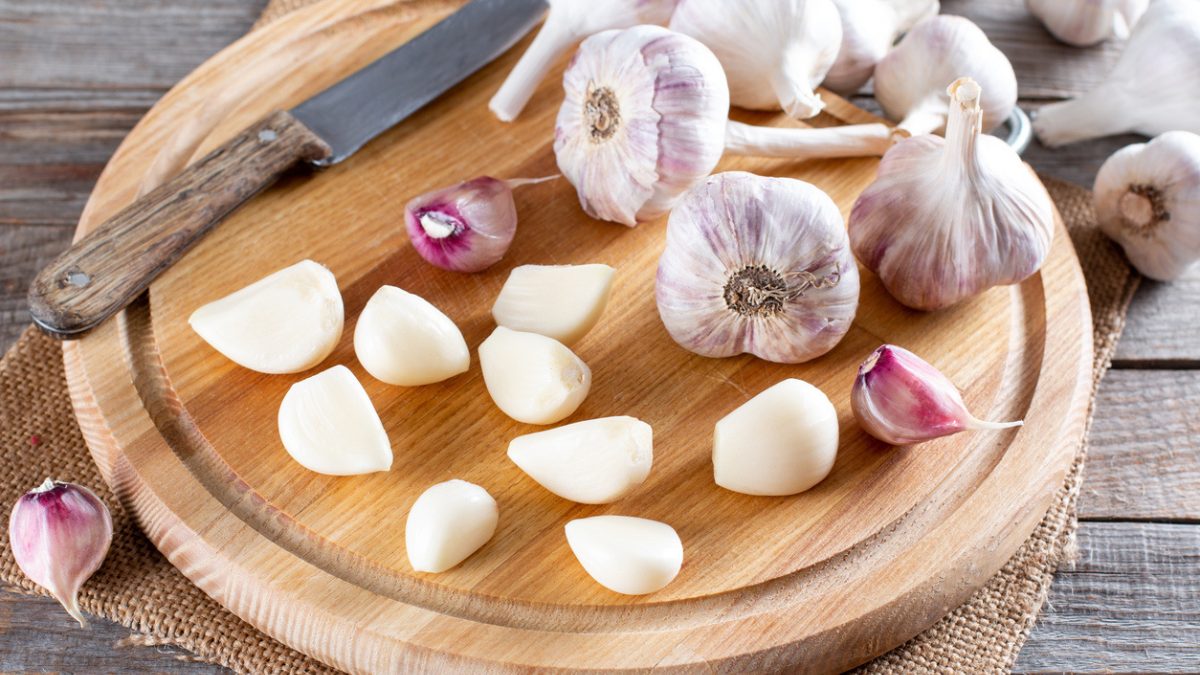
Best Ways to Freeze Garlic: Cubes, Cloves & Flavor Retention
Imagine never having to peel a shriveled, sprouting garlic clove again. Picture the ease of grabbing perfectly portioned garlic, ready to toss into your sizzling skillet or simmering sauce, without any fuss. This isn't a kitchen dream; it's the reality when you master how to freeze garlic effectively. Freezing garlic is a simple, practical, and incredibly rewarding hack that saves time, minimizes food waste, and keeps that pungent, aromatic flavor locked in for months.
Whether you're a seasoned chef who buys garlic in bulk or a home cook looking to streamline weeknight meals, the freezer can be your garlic's best friend. Forget the heartbreak of finding your garlic stash past its prime; with the right techniques, you can enjoy fresh-ttasting garlic on demand, ready for any recipe. Let's dive into the best methods to preserve garlic's essence and make your culinary life infinitely easier.
Why Freezing Garlic is a Game-Changer for Your Kitchen
Garlic is an indispensable ingredient in virtually every cuisine worldwide, lending depth, aroma, and a distinctive bite to countless dishes. However, fresh garlic has a limited shelf life. Left on the counter, cloves can dry out, sprout, or even mold, rendering them unusable. Freezing offers a brilliant solution, extending its usability for up to six months while retaining much of its original character.
- Unbeatable Convenience: Pre-prepped frozen garlic means no more peeling, mincing, or crushing when you're in a hurry. Just grab and go!
- Reduced Food Waste: Say goodbye to discarding unused or spoiled garlic. Freezing ensures you utilize every last clove from your farmers' market haul or bulk purchase.
- Consistent Flavor: While not identical to raw fresh garlic, frozen garlic performs exceptionally well in cooked applications. It retains a robust flavor that stands up beautifully in sautés, soups, stews, marinades, and stir-fries. Curious about the nuances? Discover more in our guide on Does Frozen Garlic Taste Good? Your Guide to Long-Lasting Freshness.
- Cost-Effective: Buying garlic in larger quantities when it's on sale and freezing it can lead to significant savings over time.
Ultimately, learning How to Freeze Garlic: Preserve Flavor & Slash Prep Time transforms a common kitchen chore into an effortless step, ensuring that this essential flavor enhancer is always at your fingertips.
The Best Ways to Freeze Garlic: Tailoring to Your Culinary Needs
The "best" method for freezing garlic truly depends on how you intend to use it. Do you need ready-to-use portions for sauces? Or whole cloves that mimic fresh ones for specific dishes? Here are the most popular and effective techniques:
Method 1: Freezing Garlic Puree in Oil Cubes (The Kitchen Workhorse)
This method is arguably the most popular for its convenience and versatility. Freezing garlic pureed with oil into ice cube trays creates perfectly portioned, ready-to-cook garlic that won't stick together and is easy to scoop or drop directly into hot pans.
- Peel Your Cloves: Start with fresh, firm garlic. Peel as many cloves as you wish to freeze. A trick for easy peeling: lightly smash cloves with the flat side of a knife, or blanch them briefly (though we generally avoid blanching for freezing, a quick hot water soak followed by an ice bath can loosen skins for fresh use).
- Puree with Oil: In a food processor, combine your peeled garlic cloves with a neutral oil, such as olive oil, vegetable oil, or avocado oil. A good ratio is approximately 2 parts garlic to 1 part oil. The oil serves multiple purposes: it prevents the garlic from freezing rock-hard, helps preserve its flavor, and makes it easier to blend into a smooth paste. Blitz until you achieve a fine puree or a slightly chunkier paste, depending on your preference.
- Fill Ice Cube Trays: Spoon the garlic-oil mixture into standard ice cube trays. Each cube typically holds about 1 tablespoon, offering excellent portion control. For smaller portions, consider mini ice cube trays.
- Freeze Solid: Place the filled trays in the freezer and allow them to freeze completely, usually for 4-6 hours or overnight.
- Transfer to Airtight Storage: Once solid, pop the frozen garlic cubes out of the trays. Immediately transfer them to a heavy-duty freezer bag, a vacuum-seal bag, or an airtight freezer-safe container.
- Label and Date: Don't forget this crucial step! Label your bag or container with the date.
Chef's Tip: The oil protects the garlic from freezer burn and keeps its texture soft enough to easily add to your cooking without thawing. Use these cubes directly from the freezer in soups, sauces, stir-fries, marinades, and roasts.
Method 2: Freezing Whole or Chopped Garlic Cloves (Closest to Fresh)
If you prefer the texture of whole or freshly chopped garlic and don't mind a tiny bit of pre-prep when you're ready to cook, this method is ideal.
- Peel Cloves Thoroughly: Again, ensure your garlic cloves are completely peeled and clean.
- Optional Chopping: Decide if you want to freeze them whole or pre-chop them. For general use, chopping them into a coarse mince or thin slices before freezing can save time later.
- Flash Freeze: This step is critical to prevent the cloves from clumping into one giant garlic block. Spread the peeled whole or chopped garlic in a single layer on a parchment-lined baking sheet. Place the baking sheet in the freezer for 1-2 hours, until the garlic pieces are solid.
- Store in Airtight Containers: Once flash-frozen, transfer the solid garlic pieces into a heavy-duty freezer bag or an airtight freezer-safe container. Remove as much air as possible before sealing to prevent freezer burn.
- Label and Date: Mark your container with the freezing date.
Chef's Tip: You can grab a handful of frozen whole cloves, and while they might be slightly softer than fresh, they can still be finely minced or crushed from their frozen state for cooking. They work wonderfully in dishes where you want a more distinct garlic presence.
Method 3: Freezing Garlic Paste (Oil-Free Variation)
For those who prefer not to add oil to their garlic or want maximum control over fat content in their cooking, freezing garlic as a pure paste (without added oil) is an option. Be aware that this might result in a harder-frozen product.
- Peel and Process: Peel your garlic cloves. In a food processor, blend the peeled garlic with a tiny splash of water or lemon juice (just enough to help it blend, not make it watery) until it forms a smooth paste.
- Portion and Freeze: Spoon the paste into small portions in ice cube trays or spread it thinly on a parchment-lined baking sheet.
- Freeze and Store: Freeze until solid, then transfer the frozen portions to an airtight freezer bag or container, removing excess air.
Consideration: This garlic will freeze much harder than the oil-blended version. You might need to let it sit out for a minute or two or give it a gentle tap to loosen it before adding to your cooking. It's best used directly in hot dishes where it can quickly melt and disperse.
Maximizing Flavor and Longevity: Essential Tips for Freezing Garlic
To ensure your frozen garlic is always at its best, keep these expert tips in mind:
- Start with the Best: Always use fresh, firm, unblemished garlic for freezing. Avoid cloves that are soft, shriveled, or show any signs of sprouting or mold. The quality going in will dictate the quality coming out.
- Airtight Storage is Paramount: Garlic has a strong aroma that can permeate other foods in your freezer if not properly contained. More importantly, air exposure leads to freezer burn, which degrades flavor and texture. Invest in high-quality freezer bags (double-bagging is an option), vacuum sealer bags, or robust airtight containers.
- Skip the Blanching: Unlike some vegetables, garlic does not benefit from blanching before freezing. In fact, exposing garlic to hot water can dull its vibrant flavor. Peel, prep, and freeze – that's all it needs.
- Label and Date Everything: Freezer burn and flavor degradation are gradual. To ensure you're using your garlic at its peak, always label packages with the date it was frozen.
- Optimal Shelf Life: While technically safe to eat indefinitely if kept frozen solid, garlic will retain its best flavor and quality for up to 6 months. After this period, the taste may begin to mellow significantly, and freezer burn can become more apparent. Aim to use your frozen stash within this timeframe.
- Using Frozen Garlic: Most frozen garlic can be added directly to your cooking from the freezer. There's no need to thaw it beforehand, especially for hot dishes like sautés, soups, and sauces. However, for recipes where garlic is served raw (like some dressings or fresh pestos), the texture of thawed garlic might be too soft, and its flavor slightly muted compared to fresh. Stick to fresh garlic for those specific applications.
Conclusion
Freezing garlic is a culinary superpower that any home cook can harness. By adopting one of these simple methods – whether it's the convenient oil-infused cubes, the more natural whole cloves, or an oil-free paste – you can dramatically reduce waste, save precious time, and ensure that the foundational flavor of garlic is always within reach. Experiment with the different techniques to discover which best fits your cooking style, and get ready to enjoy the effortless joy of perfectly prepped garlic, ready for any culinary adventure.
